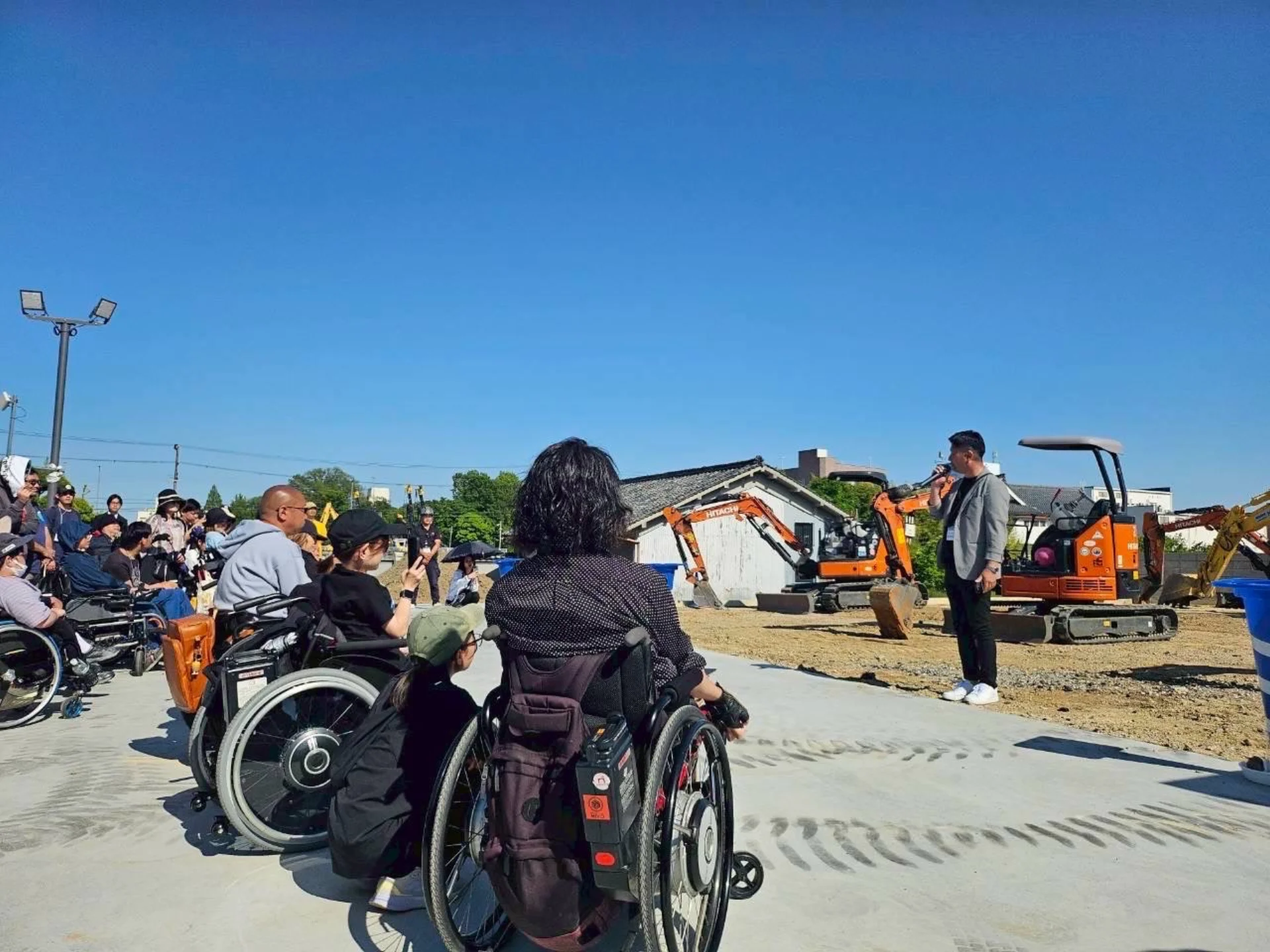
Wheelchair users listening to the instructor in front of a backhoe
2026.5.10 SUN
TOP / FY2026 Key Initiative / Activity Report
FY2026 Key Initiative Activity Report

Connecting Wheelchair Users and Remote-Controlled Construction Machinery

"In a Wheelchair? No Problem!" Heavy Equipment Experience Event

Scroll
Wheelchair users operated heavy construction equipment — by remote control.

On May 10, 2026, 70 people gathered at Kita-Osaka Training Center — 30 wheelchair users alongside guide helpers and supporters. One by one, each participant took the controls of a backhoe via remote technology. With every event held, the circle grows wider. Operating heavy machinery without ever boarding the cab — through that experience, participants shared candid and heartfelt responses.

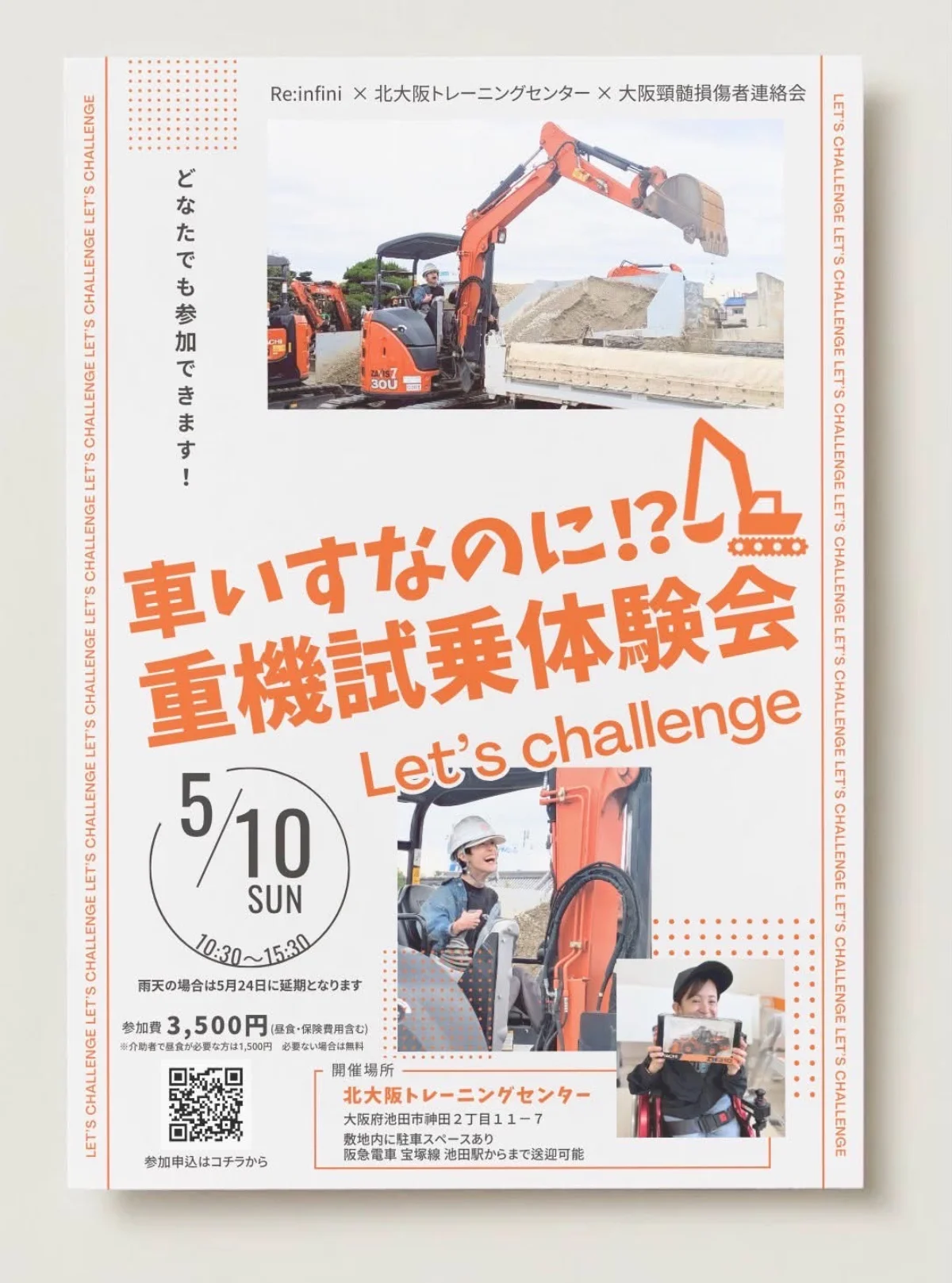
Event flyer: In a Wheelchair? No Problem! Heavy Equipment Experience Event
Event Overview

In a Wheelchair?
No Problem!

Date

Sunday, May 10, 2026

10:30 – 15:30

Place

Kita-Osaka Training Center

2-11-7 Kanda, Ikeda, Osaka

Host
Re:infini
Kita-Osaka Training Center
Osaka Cervical Spinal Cord Injury Association
Fee
¥3,500 (incl. lunch & insurance)
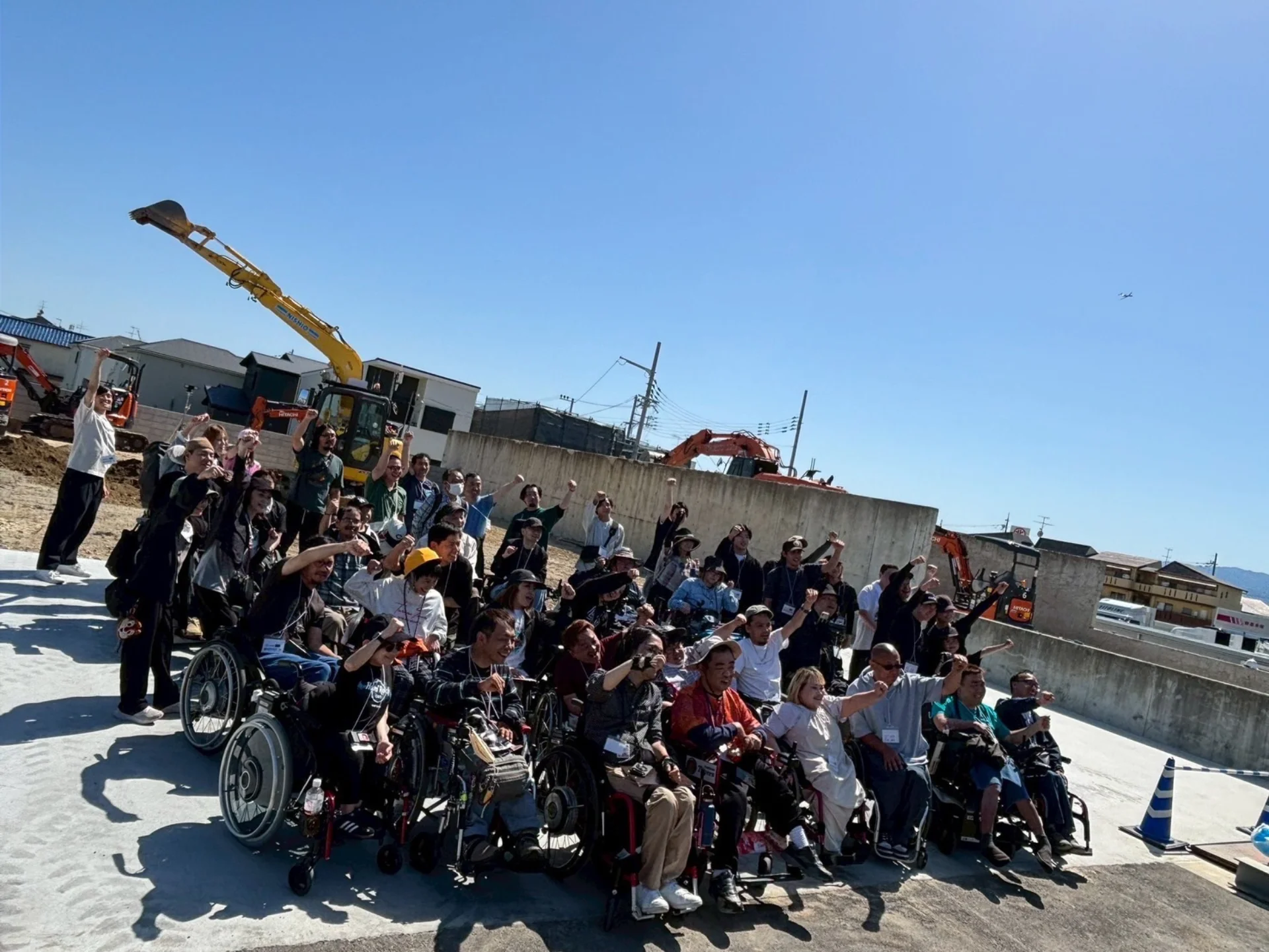
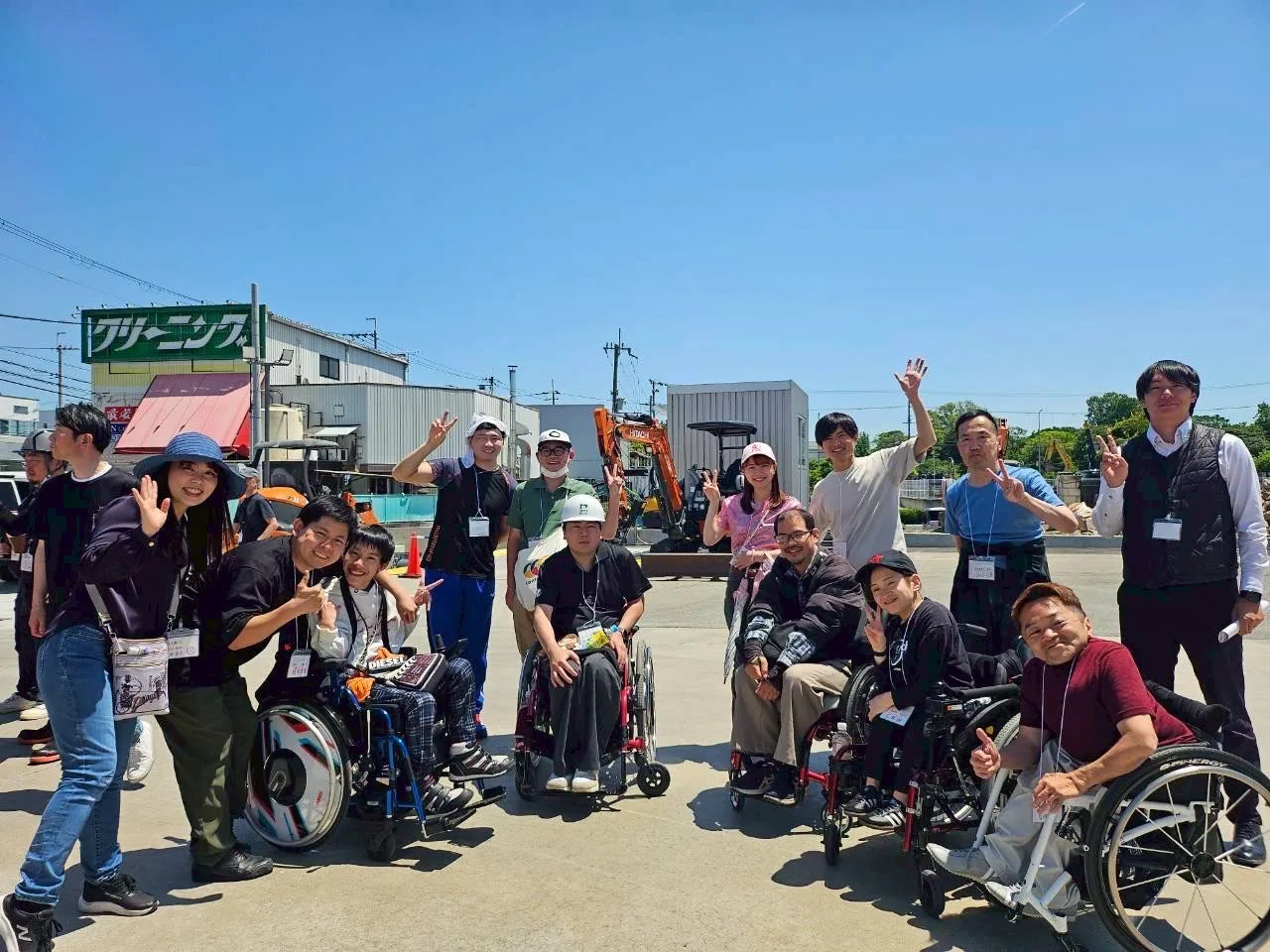
Group photo of all participants — wheelchair users raising their hands in front of the backhoe

Kita-Osaka Training Center / May 10, 2026

The Story

70 people gathered before the machinery — the scene on the day.

Organized through collaboration between Re:infini, Kita-Osaka Training Center, and the Osaka Cervical Spinal Cord Injury Association, the event brought together 70 attendees — including 30 wheelchair users — each taking their turn at the remote controls of a backhoe.

After their turns, participants gathered in front of the machinery for a commemorative group photo. Voices like "I want to come again" and "I want my friends to try this too" filled the air, and the day ended in a warm, celebratory atmosphere.

"I had never considered this as a career option before, but now I can see the possibility."

— From participant survey responses

Voices

Participant Voices

Unfiltered feedback from the participants themselves.

"

This was an experience
I will never forget.
Thank you so much.

On the satisfaction question, 79.9% of participants chose the highest rating of 5. An overwhelming majority answered "very satisfied," and that result is reflected directly in the numbers.

"

I had never considered this as a career option, but now I can see the possibility.

Multiple participants said this was the first time they could realistically imagine working as a construction equipment operator — a profession they had never pictured for themselves before.

"

I now know I can operate heavy equipment even with a disability. I want my friends to try this too.

"I want others who share my disability to know this exists" — the desire to pass the experience on came through strongly across many responses.

"

I never imagined I could control it with such precision. It was deeply moving.

"

If certification is possible, I definitely want to pursue it. Please tell me how.

"

Something I believed was impossible — technology turned it into something possible.

Survey Summary

100% of participants reported increased interest in operating heavy equipment compared to before the event. On the question of mindset shift — "Did you feel that something you thought was impossible became possible?" — 63.2% answered "strongly felt it" and 36.8% answered "somewhat felt it," with zero negative responses. These results demonstrate that remote-control operation of construction machinery is genuinely achievable for people with physical disabilities.

Data

Survey Detail

Prerequisites for Employment (multiple responses)

Adequate support systems 57.9%
Boarding assistance equipment 47.4%
Remote-control systems 47.4%

Key Factors for Certification (multiple responses)

Accessibility & scheduling flexibility 63.2%
Physical accommodations & barrier-free facilities 57.9%

Change in interest toward equipment operation

100%

reported increased interest
compared to before the event

* "Experienced mindset shift": strongly felt 63.2%, somewhat felt 36.8% / "Interested in certification": definitely want to obtain 47.4%, somewhat interested 31.6% included

Gallery

Event Photos

Group photo — all participants raising their hands in front of the heavy machinery
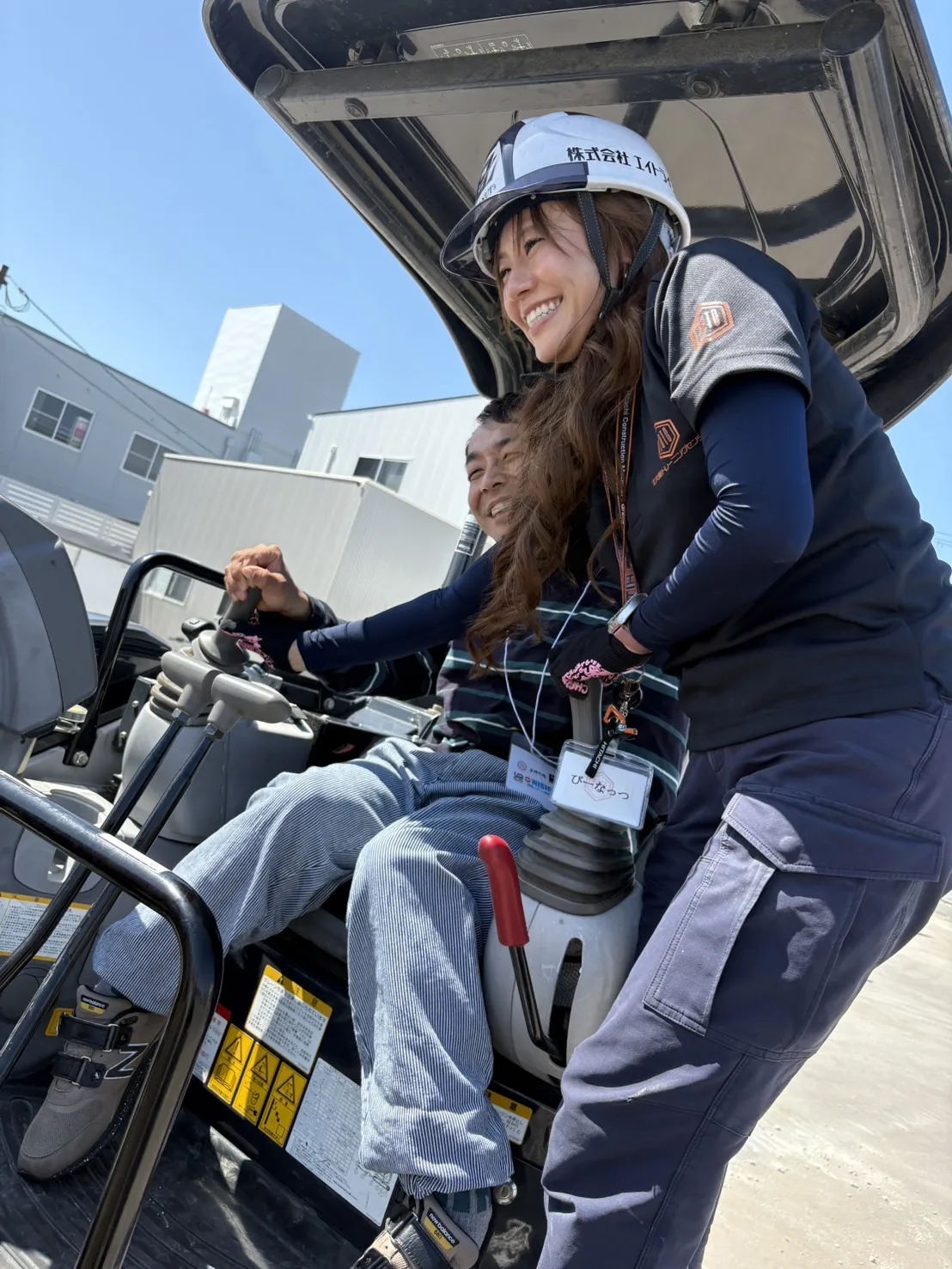
A wheelchair user smiling while operating the excavator's levers with support from an instructor
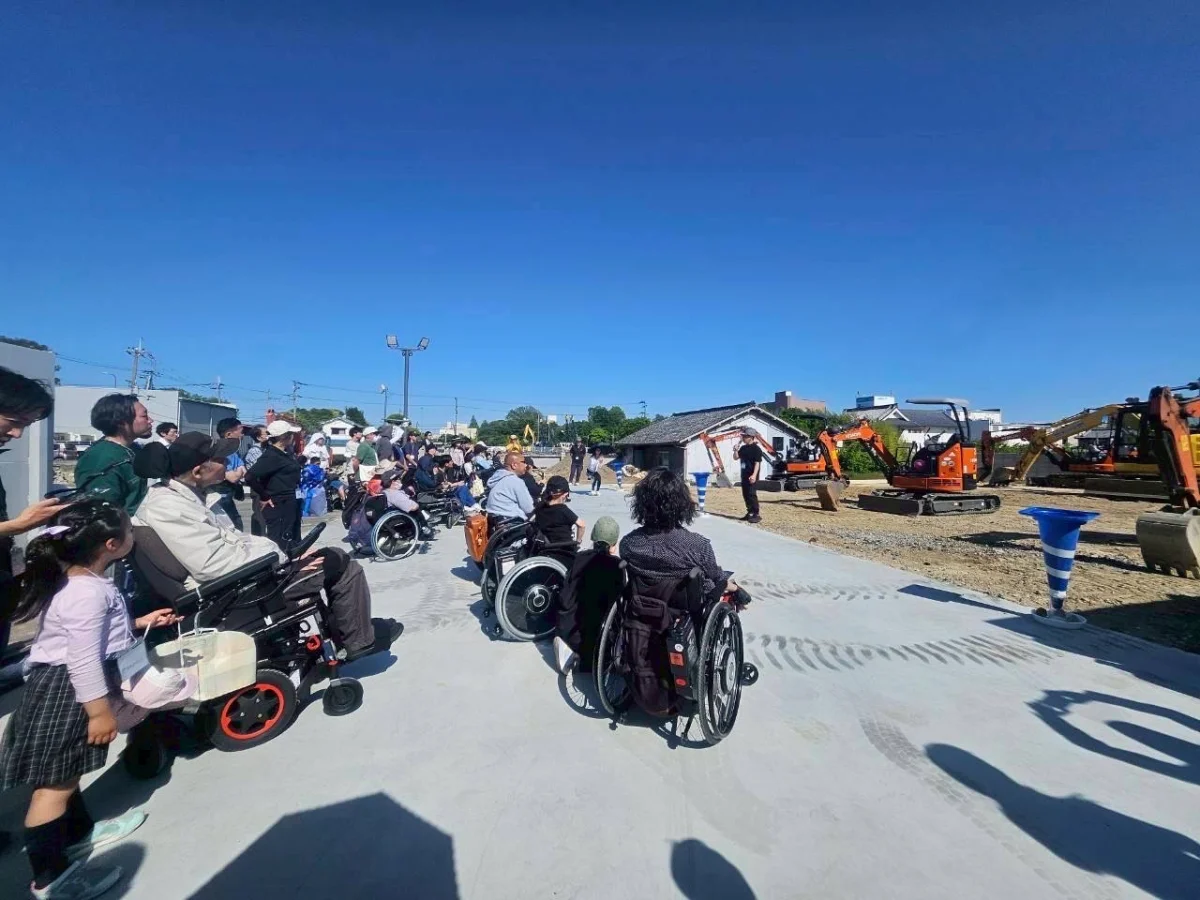
Wide shot of participants including wheelchair users waiting in line for their turn
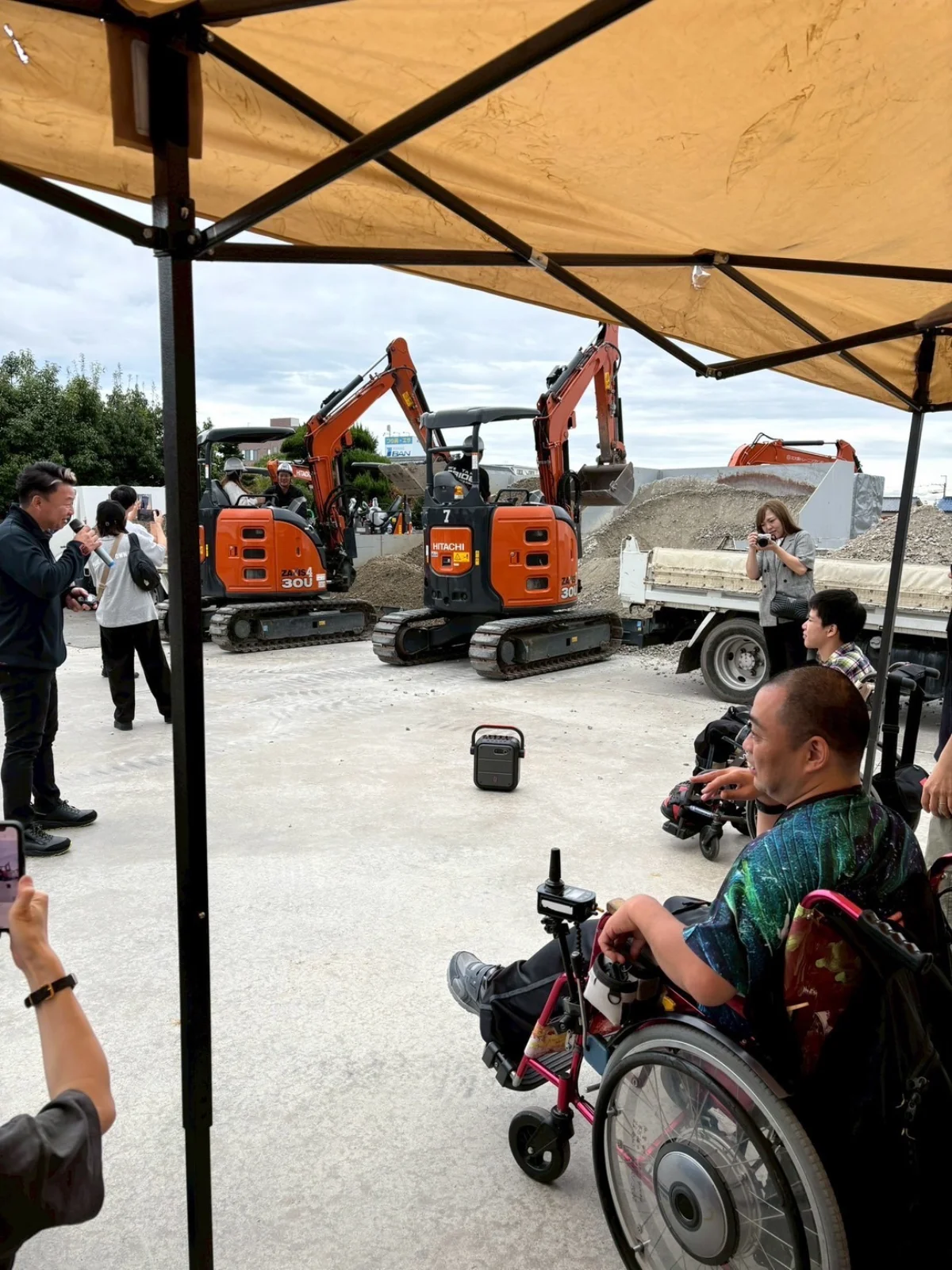
A wheelchair user operating heavy machinery via remote control under a tent
A group of participants including wheelchair users smiling and giving peace signs in front of the backhoe
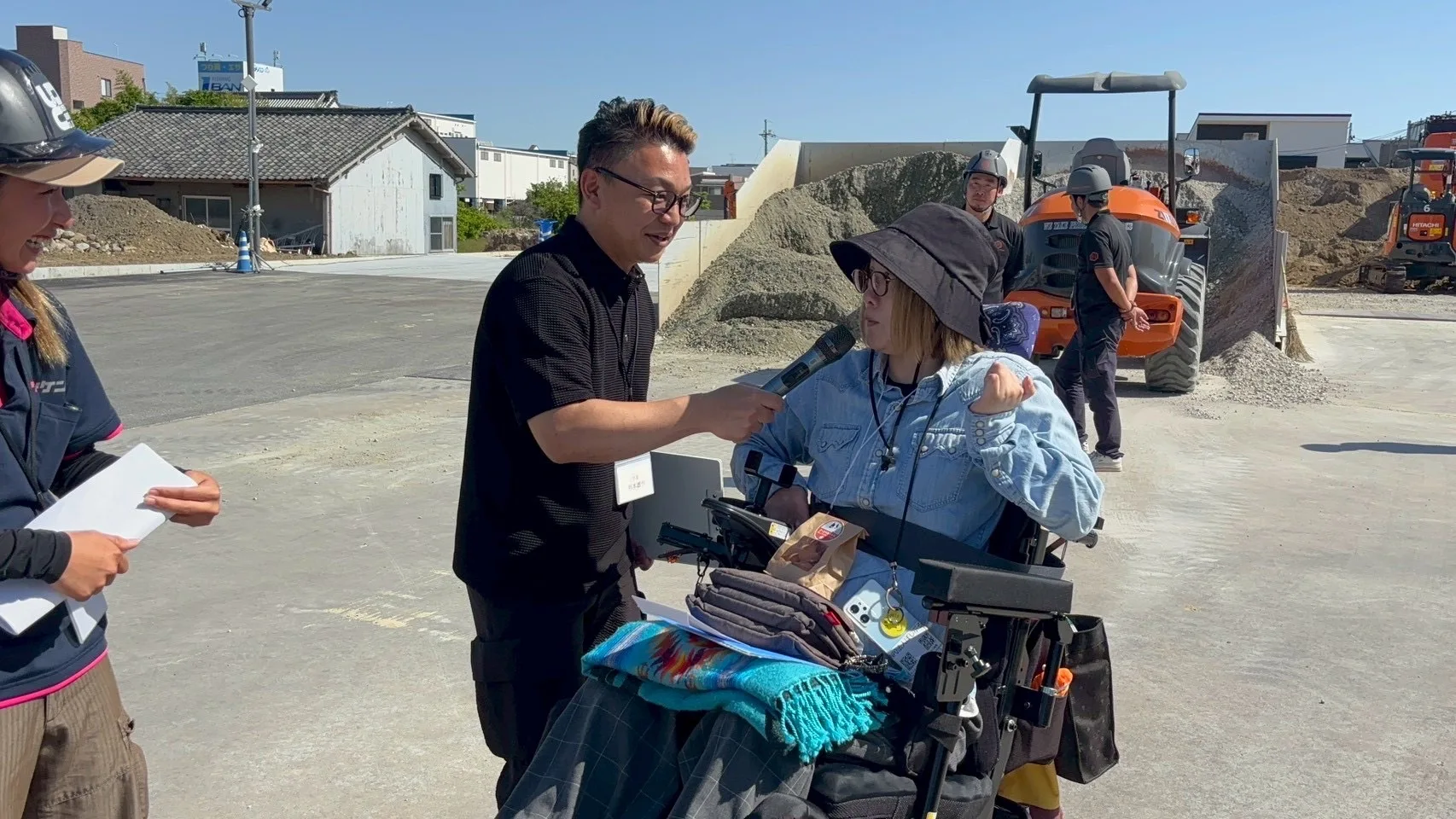
A wheelchair user being interviewed after the experience, with heavy machinery visible in the background
Wheelchair users listening to the instructor

Next Step

FY2026 Strategic Direction

This event confirmed that people with disabilities can operate construction machinery via remote control. In FY2026, SPAT will use this data and track record to pursue formal dialogue with government agencies, equipment manufacturers, and industry associations.

01

Technology Partnership with Equipment Manufacturers

This event validated real-world demand for remote-control construction machinery. We will initiate technical and commercial dialogue with major domestic and international manufacturers, advocating for remote-control specifications as optional or standard features accessible to operators with disabilities.

As remote-control technology advances — enabling machinery to be operated without physical on-site presence — a work model that transcends disability becomes achievable. Joint R&D with manufacturers on integrating advanced equipment, including tilt rotators, with remote-control systems is also under consideration.

02

Policy Proposal to the Ministry of Land, Infrastructure, Transport and Tourism

The Ministry's i-Construction policy promotes site transformation through ICT machinery, automation, and remote operation. Creating pathways for people with disabilities to work as equipment operators aligns directly with this initiative — addressing both labor shortages and diversity goals simultaneously.

Using this event's survey data and video documentation as evidence, we will propose a review of the skills training system for construction equipment operation by people with disabilities, and advocate for a regulatory framework for the official recognition of assistive devices.

03

Collaboration with the Ministry of Health, Labour and Welfare

Under Japan's Act for the Promotion of Employment of Persons with Disabilities, we will propose construction equipment operation as a new employment model to the Ministry. The empirical data from this event — demonstrating both the will to work and the technical feasibility — provides a strong basis for integration into vocational training programs for people with disabilities.

We aim to build an institutional ecosystem connecting vocational training grants, supported employment transition programs, and enterprise incentive structures through the employment levy system.

04

Designing and Promoting a Certification System

Leveraging SPAT's expertise in construction ICT and tilt rotators, along with the nationwide network of Construction Training Centers, we will advance the design of a construction equipment operator certification system accessible to people with physical disabilities.

While ensuring alignment with the skills training system under the Industrial Safety and Health Act, we will establish standards for accessible training facilities and curricula, aiming for adoption across industry associations and training centers nationwide.